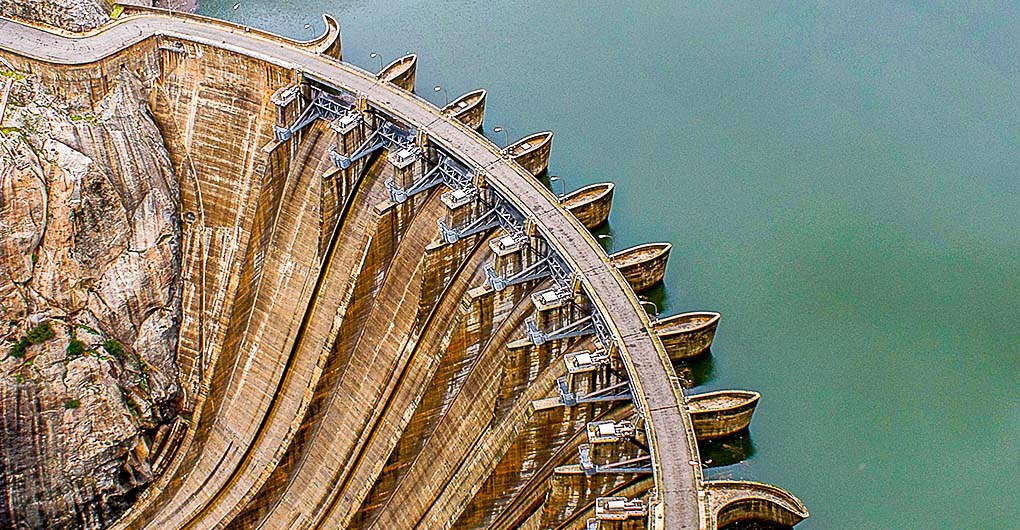
Mining Mastery

Mining is demanding and unforgiving: GEOKON systems are built accordingly.
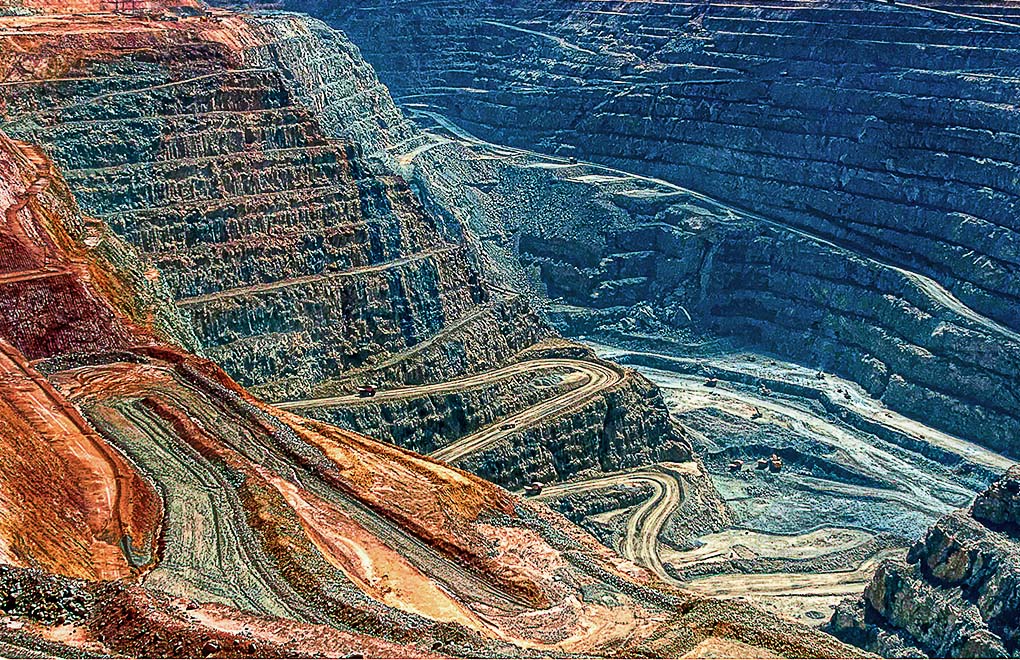
GEOKON instrumentation is trusted across open-pit and underground mining operations for monitoring slope stability, ground movement, pore pressure, deformation, and temperature in complex, evolving conditions. Our wireless data acquisition systems, including the GeoNet platform, eliminate the limitations of wired infrastructure, delivering reliable data in remote locations where access is difficult and maintenance must be minimal.

From vibrating wire piezometers and MEMS sensors to Time Domain Reflectometry (TDR) systems for early detection of ground movement along potential slip surfaces, GEOKON delivers the accuracy engineers need to manage risk, protect assets, and maintain operational continuity.
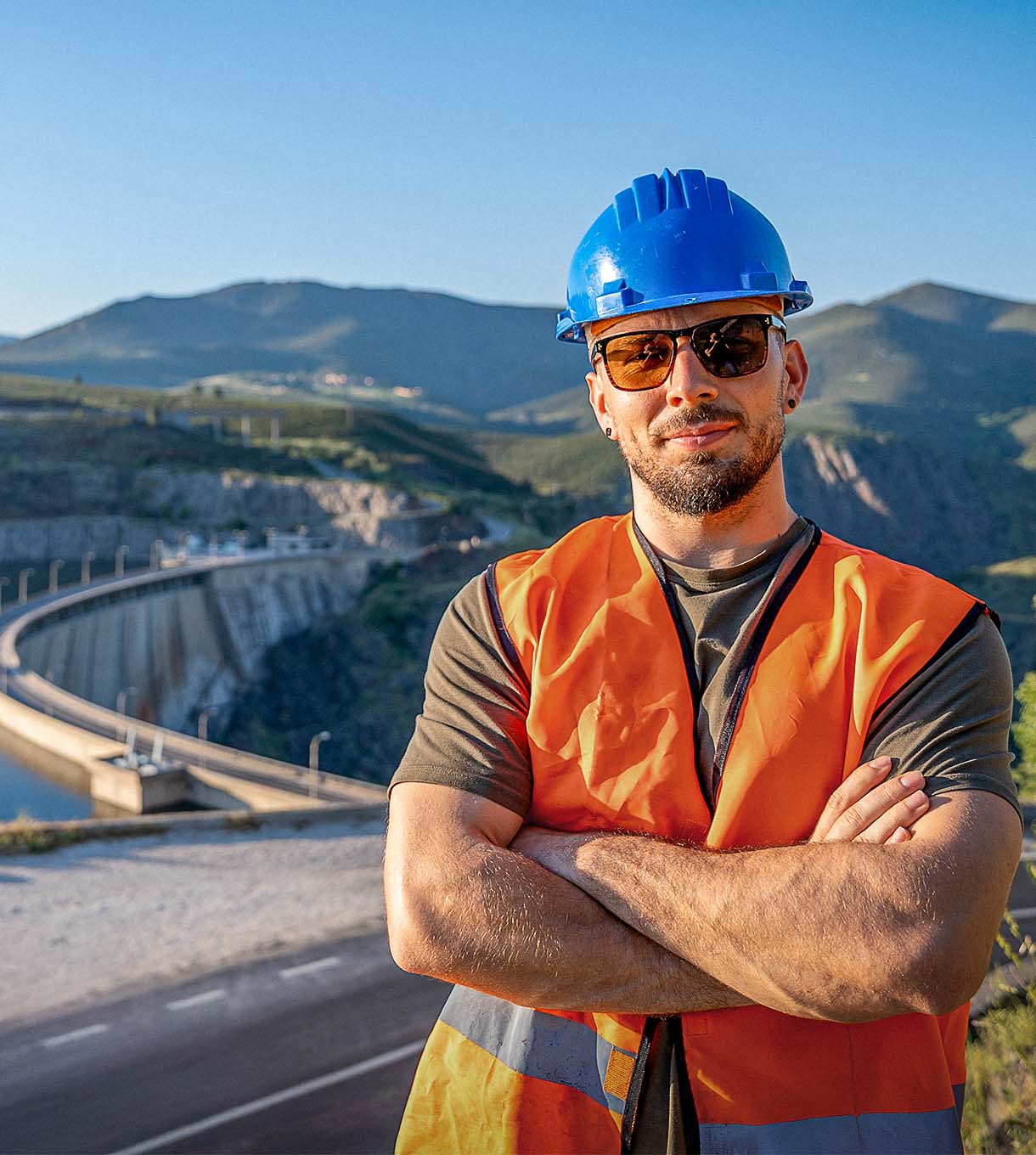
Dam Prowess

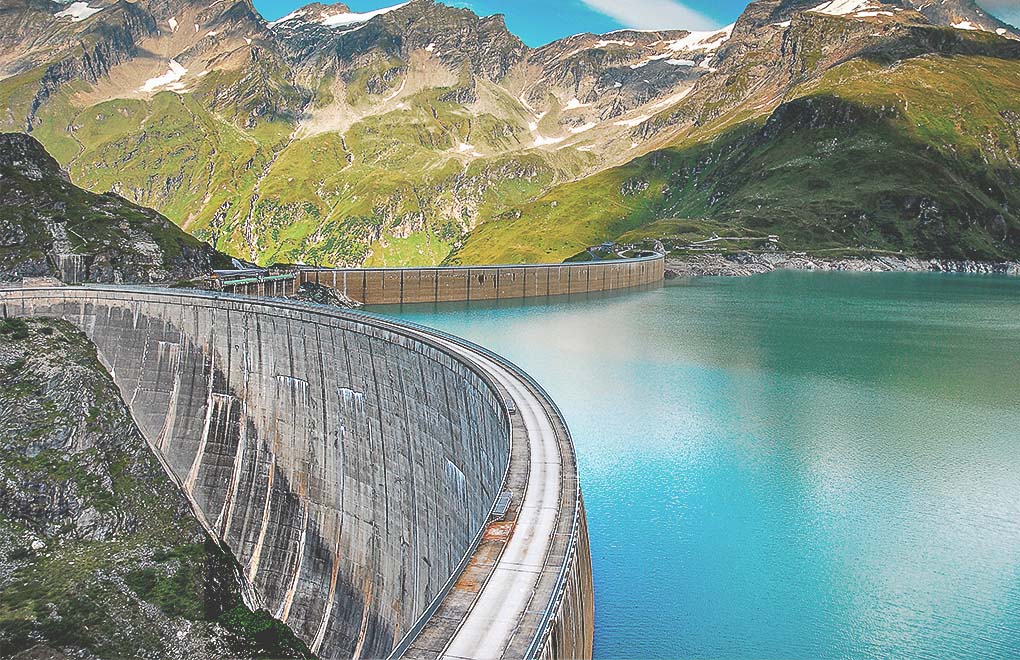
Dam monitoring demands confidence: GEOKON instrumentation delivers.

GEOKON instrumentation has been deployed on embankment, concrete, and tailings dams worldwide to monitor pore pressure, seepage, deformation, settlement, and structural performance over the full lifecycle of the asset. Our vibrating wire sensors are engineered for long-term stability and accuracy, providing reliable data decades after installation. 

With modern wireless monitoring systems and secure cloud connectivity via GEOKON OpenAPI, engineers gain continuous visibility into dam behavior without compromising data integrity or system reliability. Whether monitoring remote embankments or complex dam networks, GEOKON systems scale with confidence and perform under real-world conditions.

Engineers demand performance. When “good enough” is not enough, and “close enough” is not even close, engineers DEMAND GEOKON.

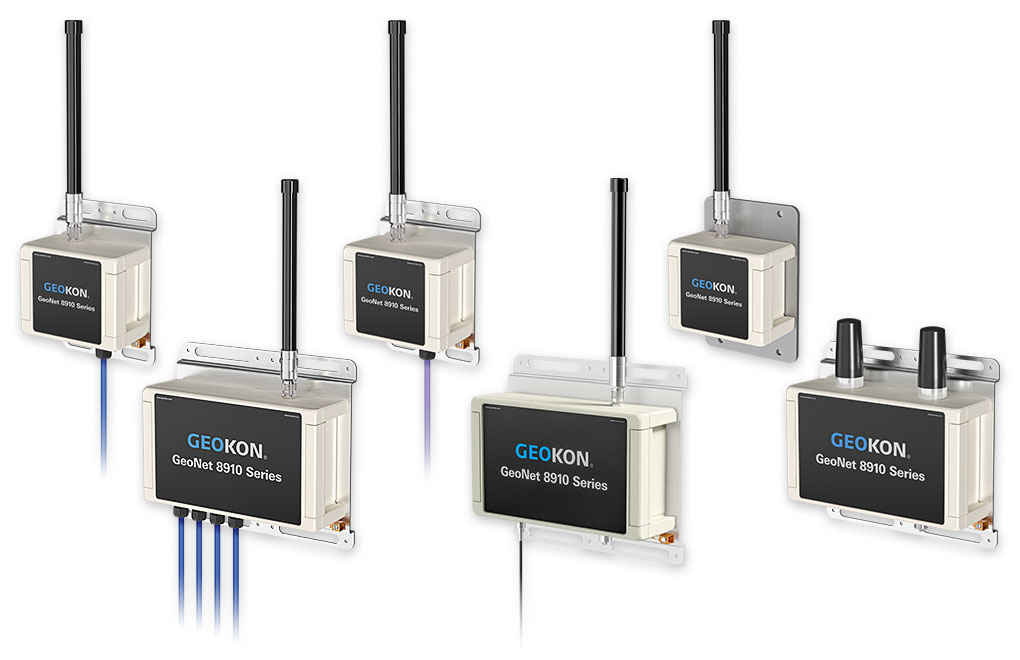
The GeoNet 8910 Series is an uncompromising wireless data acquisition system and hosted data platform engineered for complex, high-risk environments where reliability isn’t optional and failure isn’t tolerated.

  • Long-range wireless monitoring using LoRa® radio technology (can also operate using the LoRaWAN® protocol)
  • Seamless integration with GEOKON vibrating wire instruments and addressable sensor strings (VW, MEMS, thermistor)
  • Compatibility with most third-party vibrating wire sensors
  • Purpose-built TDR monitoring with the Model 8910-TDR for early detection of ground movement along potential slip surfaces
  • Scalable system architecture with gateways and subordinate wireless data loggers
  • Reliable performance in remote and geographically complex sites where wired systems fail
  • A Cellular Gateway commands the network, gathers data from deployed loggers, and provides secure delivery to the cloud through the GEOKON OpenAPI

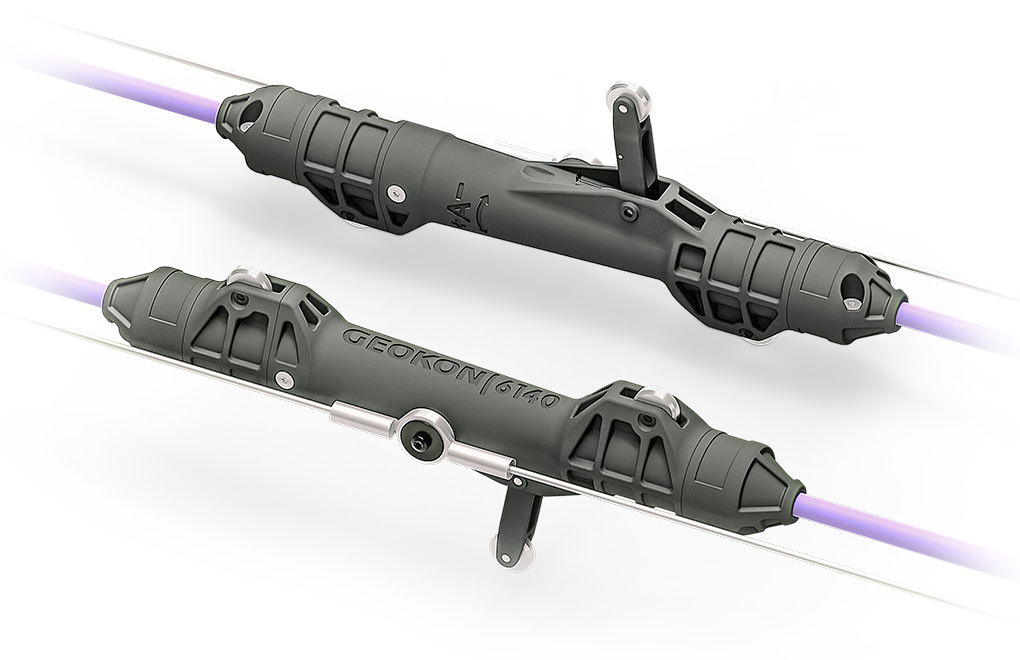
The Model 6140 Vertical IPI String integrates MEMS technology (wide angular range, high sensitivity, excellent long-term stability) into a robust system that minimizes assembly requirements and simplifies installation.

The Model 6140 Vertical IPI String, when paired with the Model 8910 Addressable Data Logger, is ideal for the remote, continuous, and automatic monitoring of:

  • Lateral deformation in dams and tailings
  • The stability of natural slopes, landslides, embankments, and subsea marine sediments
  • The stability of slurry walls, sheet piling and tieback walls
  • Lateral movements in, around and above tunnels and underground openings

Demand GEOKON.

GEOKON is a global leader in geotechnical instrumentation, trusted by engineers for more than four decades to deliver reliable, field-proven monitoring solutions. Our instruments and systems are deployed on critical infrastructure projects worldwide, where long-term stability, data integrity, and performance under pressure matter most.

From industry-defining vibrating wire sensors to advanced wireless monitoring systems built on LoRa® and LoRaWAN® technology, GEOKON continues to push geotechnical monitoring forward without compromising the reliability that built our reputation. Our hosted data platforms, secure cloud integrations, and GEOKON OpenAPI give engineers direct control of their data from sensor to decision. We don’t chase trends. We engineer solutions that last.

We’re ready to meet your demands.

Your data. Your platform. Your standards.

Mining Instrumentation FAQs:

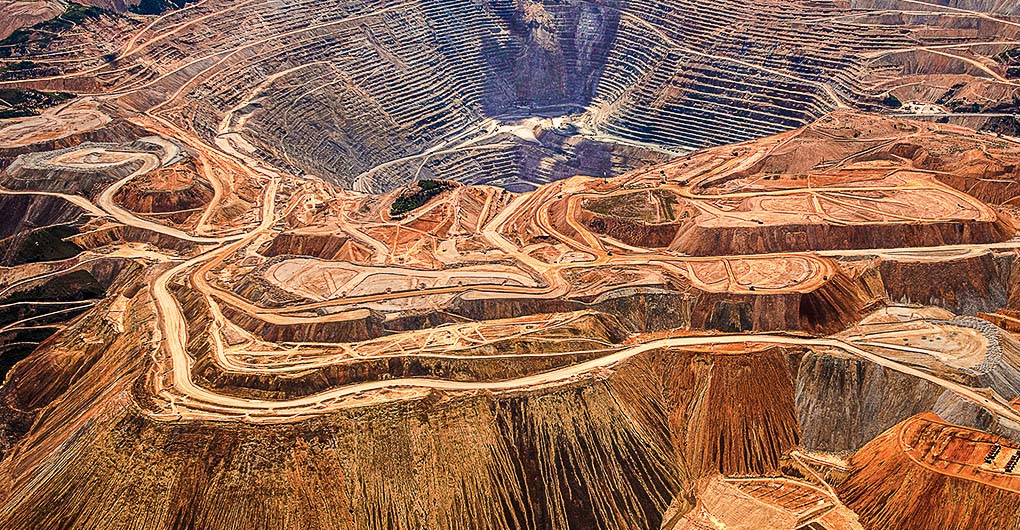
Image of an open pit mine.

What geotechnical instrumentation is essential for open pit mine safety?
Open pit mine safety relies on instruments that monitor groundwater, slope movement, and rock mass behavior. Core tools include Vibrating Wire (VW) Piezometers—valued for their reliability, shock resistance, and long-distance signal transmission—alongside water level indicators for groundwater levels. Slope stability is monitored with inclinometers, extensometers, radar, total stations, GPS, and prisms, while stress and deformation are tracked using stress cells, load cells, and convergence meters.
What geotechnical instrumentation is essential for waste mining pile safety:
Waste rock and filtered tailings stability depends on monitoring porewater pressures, foundation response, settlement, and deformation throughout construction and operation. Porewater pressure in the foundation is typically tracked using Vibrating Wire (VW) Piezometers, which provide long‑term reliability and accurate readings even under heavy loads. Pressure cells are installed at the base of the pile to measure stresses imposed on the foundation as the pile grows, helping evaluate bearing capacity and load distribution. Settlement sensors, including settlement plates and extensometers, track vertical compression and consolidation in foundation soils. Deformation within the pile and at its margins is monitored using inclinometers, which identify shear movement and lateral deformation trends, providing early warning of instability. Together, these instruments provide a comprehensive understanding of the mechanical and hydraulic behavior of waste rock and dry tailings piles, supporting safe expansion, optimized pile design, and early detection of potential failure mechanisms.
How do I select the right inclinometer?
Installed vertically, the inclinometer provides monitoring of horizontal displacements in depth. Proper casing installation to depths intersecting potential shear zones and adequate anchoring in stable material ensures reliable tracking of subsurface movement. Selecting an inclinometer involves choosing between portable systems for periodic measurements and in-place sensors for continuous monitoring, both of which rely on MEMS based biaxial probes for accurate deformation detection. Because these structures often experience subtle deformation, high sensitivity sensors are needed for early warning capability, and inclinometers play a key role in identifying stability issues within dam safety programs. Modern tailings monitoring standards emphasize integrating inclinometers into broader, multi-instrument networks for comprehensive risk reduction.
What are the best practices for installing an inclinometer?
Best practices for inclinometer installations begin with drilling a borehole large enough to accommodate both the casing and a tremie pipe, ensuring full bottom‑up grouting of the annulus. Casing sections should be assembled with sealed joints and lowered carefully to design depth, aligning grooves with the expected direction of movement and avoiding excessive torque that could distort orientation. Proper casing alignment and a fixed reference at the base are essential for both accurate manual probe tracking and reliable in‑place sensor performance. For automated in‑place inclinometers, select sensor gauge length according to the expected deformation profile: use shorter segments or closer spacing (e.g., 0.5 m) across zones of anticipated movement, and longer segments where minimal deformation is expected to optimize cost without sacrificing resolution. For manual probes, ensure correct setup before each reading. Check wheel condition and spacing, apply lubrication as needed, protect connectors from moisture, and verify seal integrity. Regular inspection and maintenance of manual probes help ensure long‑term data reliability.
What are the benefits of GEOKON instrumentation for mining operations?
GEOKON instrumentation is ideal for mining projects because it delivers long-term reliability in harsh conditions, withstands shock loads common in blasting and heavy equipment operations, and supports signal transmission over distances greater than 2 km, making it perfectly suited for large, expanding pit environments that demand dependable, site-wide monitoring coverage.
Where do I purchase geotechnical monitoring equipment for mining?
GEOKON offers a complete selection of instrumentation suitable for monitoring dams of all types. Ready to purchase? Request a quote.
Have more questions? Please contact one of our Regional Offices for assistance.

Dam Instrumentation FAQs:

Image of an open pit mine.

What geotechnical instrumentation is essential for dam safety?
Dam safety depends primarily on continuous monitoring of pore water pressure and seepage conditions in the foundation and embankment. Vibrating Wire (VW) Piezometers are essential for tracking pore pressure due to their long‑term reliability, rugged construction, and ability to transmit stable signals over cable lengths exceeding 2 km, making them ideal for harsh dam environments. Seepage can be monitored through an adequate drainage channel, with readings automated using a vibrating weir monitor system to track the quantity of water passing through the dam and to detect early signs of internal erosion or changes in drainage performance. Complementary to these measurements, deformation monitoring is also important and can be performed using inclinometers, extensometers, total stations, GNSS, and other survey‑based tools to provide additional insight into overall structural performance.
How do I select the right piezometer?
Selecting the right piezometer for dam monitoring requires choosing a pressure range that can safely accommodate both the water pressure at the installation depth and the additional pressure from any grout placed over the sensor. Water pressure increases at approximately 1 psi per 2.3 ft of water (or 1 kPa per 0.10 m), and grout can exert up to 1.7× the weight of water, which must be factored into the selection to avoid overranging or damaging the sensor. If expected grout pressure exceeds the piezometer’s range, stage grouting or selecting a higher range sensor may be necessary, although higher pressure ranges come with reduced sensitivity. For existing dams with standpipe piezometers, automation is also possible; in these cases, it is important to select a vibrating wire sensor with a diameter compatible with the existing standpipe to ensure proper installation and reliable readings.
What are the best practices for installing vibrating wire piezometers in dams?
Best practices for installing vibrating wire (VW) piezometers in dams include performing an onsite spot check after installation (or after any shock impact) to verify the sensor is functioning correctly. On-site zero readings should fall within 50 digits of the factory zero reading provided on the instrument’s calibration report (after any necessary temperature and barometric pressure corrections have been made). If the field zero deviates by more than 60 digits, the sensor may still operate acceptably, but the manufacturer should be contacted for additional guidance. These checks help ensure the piezometer remains accurate and reliable for long-term dam safety monitoring.
What are the benefits of GEOKON instrumentation for dam operations?
GEOKON instrumentation is ideal for dam monitoring because it provides long-term reliability in harsh conditions, withstands nominal shock loads often encountered during construction and operation, and supports signal transmission over cable lengths exceeding 2 km—making it exceptionally well-suited for large dam sites that require accurate, dependable, and widely distributed pore pressure monitoring.
Where do I purchase geotechnical monitoring equipment for dams?
GEOKON offers a complete selection of instrumentation suitable for monitoring dams of all types. Ready to purchase? Request a quote.
Have more questions? Please contact one of our Regional Offices for assistance.